
Midwest Tankermen Marks 50 Years Of Shoreside Service On The Illinois River
When Midwest Tankermen Inc. answers the phone on January 1, 2027, it will mark 50 years since the calls first started coming in. The Lockport, Ill., provider of shoreside tankerman and dock services began not with a business plan but with a phone number handed out by a man ready to step aside.
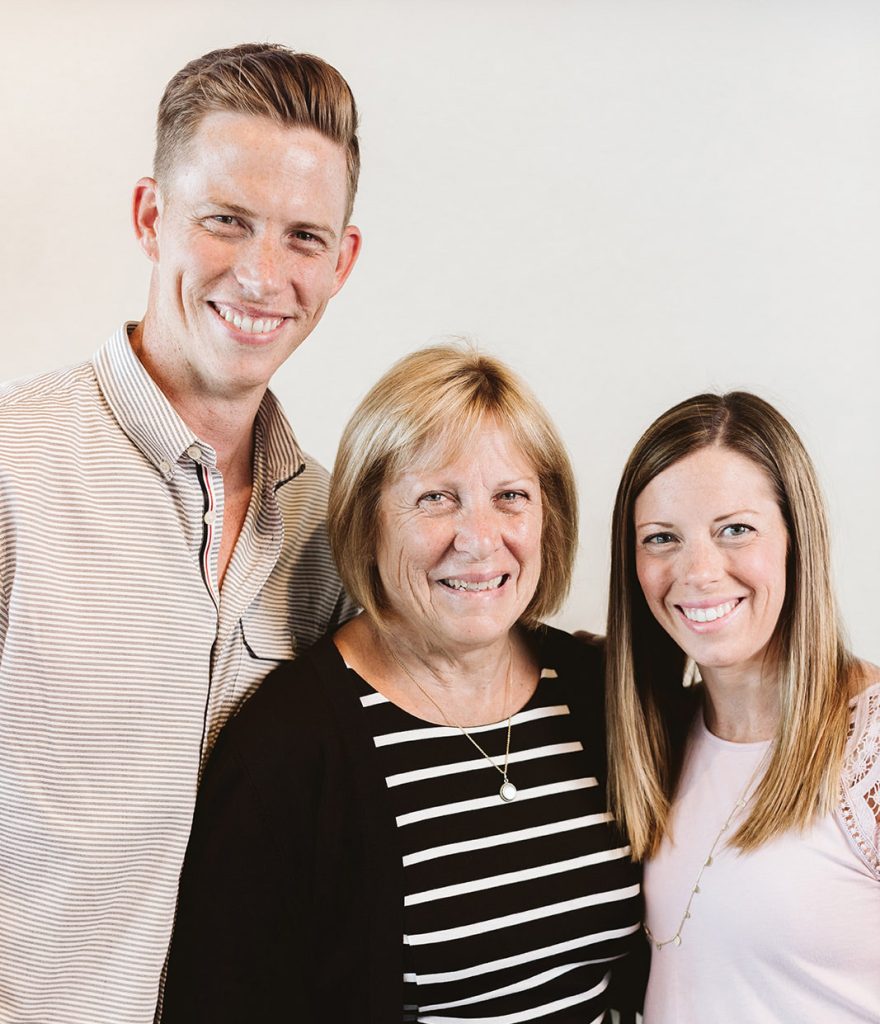
Today, the company is led by the second generation of the Loughlin family. James Loughlin serves as chief executive officer, and his sister, Shannon Kroll, is executive vice president. Their mother, Gail Loughlin, founded it with her husband, Joe. Together, the siblings spoke with The Waterways Journal about the company.
A Company Handed Over By Phone
According to James Loughlin, his father had dropped out of college and was working as a shore tankerman for a man named Jack Douglas. By 1976, Douglas was getting older. He had three or four men working for him, all of them independent contractors rather than employees, and he wanted Joe Loughlin, then 28, to take over.
“He’s saying, ‘It’s not worth much. You could just have it,’” James Loughlin said. Douglas’ terms were simple: keep him on and pay him $1 more than everybody else “and we’ll call it even.”
Joe Loughlin had no children and was unsure. Douglas made the decision for him.
“On January 1, 1977, anytime a customer called Jack, he said, ‘I no longer own this company. From now on, call Joe Loughlin,’ and gave out his house phone number,” James Loughlin said. “And calls have been coming in ever since.”
The Kitchen Table Dispatch
The early company was Joe, his brother-in-law, Kenny, and Gail. The men worked in the field, and in 1977 there was no shortage of problems with barges. They rebuilt pumps right alongside a facility, “crazy things that just nobody does anymore,” James Loughlin said.
Gail handled dispatch around the clock. A missed call meant a missed job, and the only line was the household number. The company’s website describes her first “desk” as a kitchen table in a small farmhouse in a suburb of Chicago, covered with legal pads and a phone that seemed never to stop ringing.
After several weeks confined to the house, Joe found someone to cover the phones for a little while and took her to McDonald’s just to get out.
All of the work then was on the Illinois River.
James Loughlin said his parents’ different strengths set the foundation for the company. His father had a talent for taking a task, breaking it into steps and systematizing it. His mother, he said, was “the heartbeat behind the company.”
In 1977, it was not uncommon for someone to show up to unload a barge in jean shorts and tennis shoes with a six-pack of beer. Joe Loughlin set out to change that culture by bringing in standards, procedures, accountability and reliability for customers.
“This is already a hard job, but he raised the bar and set higher standards,” James Loughlin said.
Gail made that higher standard sustainable. “My mother was really like the mother of the company,” he said. She got to know the men and their families, made sure they felt valued and appreciated and made sure they made payroll every two weeks. That care motivated crews to meet the new standard and gave major barge operators a contractor they could trust.
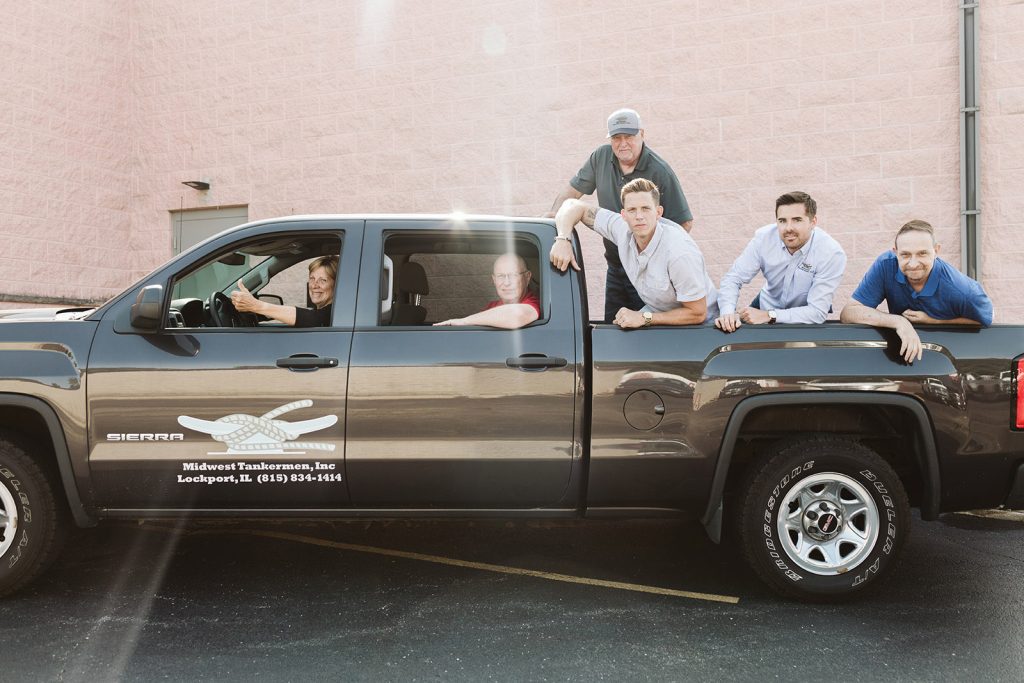
Eventually, the farmhouse table became too small. The Loughlin family credits Sean Gerrity, an early hire, with helping the company grow from a handful of people to 10, then 20. Today, Midwest Tankermen employs almost 40 people. “We wouldn’t be the company we are today without Sean. He worked for our company for over 40 years; his loyalty and dedication were the backbone of our company through many a crisis.” James Loughlin said.
Growing Up Along The Canal
Many people in the area do not know the industry exists, Kroll said, but for her it was never abstract.
Every day, the family drove to school across the one bridge in and out of town, over the Chicago Sanitary and Ship Canal. “We would see the barges on our way to school,” she said.
Her mother took on-call duty in seven-day rotations with early hires, among them Chad Lacy, now the company’s logistics and compliance manager.
“My mom would get a page, and we’d pull over at the pay phone on the way to school,” Kroll said, or at a gas station to return the page.
Kroll was in the office as an infant, and the family’s Christmas photos include employees. “We had this really big extended family in Midwest Tankermen,” she said. After school, the children went to the office. As a teenager, she started working there; the first thing Lacy taught her was how to enter a tow into the company’s system and track the barges.
‘You Just Can’t Work In This Business’
Despite growing up in it, neither sibling was supposed to join the company. Gail Loughlin had gone to school to be a teacher, and the business consumed her and Joe. Her message to her children was clear.
“She’s said, ‘You can do whatever you want. I will love you no matter how much money you make. Do whatever you want. You just can’t work in this business,’” James Loughlin said.
In 2007, he was 18, attending junior college and unable to find part-time work in a struggling economy. His mother mentioned that she had men going out to ballast a barge the next day. She was not giving him a job, but they could use help.
On February 5, 2008, he rode out with two veteran employees who had been with the company for a decade or two, men he thought of as uncles, crammed into a single-cab pickup and getting sprayed with river water while ballasting a barge.
“There was something about seeing these big boats go by,” he said. “Just feeling like I was a part of something bigger than me, something that was so important, so necessary, and helping the world go around.”
He came home that day and convinced his mother to hire him as a part-time shore tankerman. He later moved into the office full time. Like his mother and sister, he also trained as a teacher and taught for two years.
Kroll’s education career ran longer. She taught special education for seven years, working with students with emotional and behavioral disorders, then spent three years in administration. A principal once wrote in a recommendation letter that she was drawn to the students who were hardest to love, a description she said still fits.
“I love a project, seeing people’s potential and helping them get there, the people that the rest of the world has kind of given up on,” she said. “I’m right there next to them being like, no, no, I see what’s inside you.”
Special education, she said, taught her compassion first. “What you see on the outside doesn’t always match what’s on the inside,” she said. “People react all kinds of ways for all kinds of different reasons, and it doesn’t mean that they’re a bad person. It just means that they’re having a hard time.”
That understanding carries over to everyone she works with, she said, from tankermen who are masters of their craft to customers, especially when a problem arises, and emotions run high on a long shift or a tight schedule. Administration, dealing with advocates and demanding parents, polished her farther.
From ‘Any Means Necessary’ To Avoiding Incidents
James Loughlin has been in the industry for 18 years, long enough, he said, to catch a glimpse of the old way of doing things. Through years of tighter Coast Guard regulation, including Subchapter M, the mindset has shifted.
“It used to be a lot of, ‘Hey, let’s just get the job done by any means necessary,’” he said. Now, the question is what risks might be missed and how to avoid an incident. “I think the industry has finally seen that by avoiding incidents and issues, that’s how we keep it moving.”
That shift, he said, has brought better maintenance, better training and more respect for the people doing the work. “They’re no longer viewed as a ‘wrench turner’ in our industry. They’re finally seen for being a professional providing a valued, necessary service.”
What has not changed is the grit.
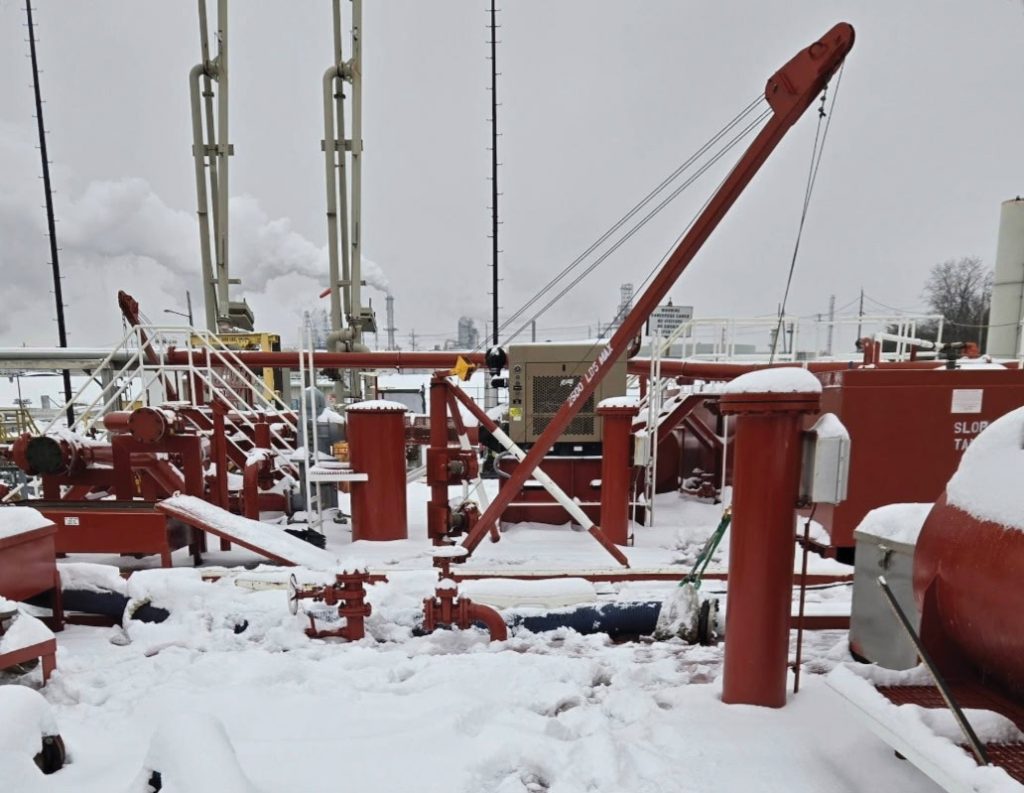
“When it’s 5 degrees outside, we’re still gonna go unload that barge,” he said. “It might be spitting rain, but we’ve still got a job to do. We might do it a little slower and cautiously, we might analyze the weather a little more closely, we might be more prepared with PPE and gear, but we’re still gonna get the job done.”
On the safety side, the biggest enemy is complacency. The industry rewards finishing the job, so crews must be reminded that sometimes a job has to stop or an inspection take longer.
“The priority is not getting the job done,” James Loughlin said. “The priority is living to do another job and to continue to go back home to your family. And after we’re able to do that, then we’re going to get the job done.”
‘A Good Attitude And A Good Working Vehicle’
The company is known for long-tenured employees, and James Loughlin said its approach to keeping them has changed little since the beginning. “If it ain’t broke, don’t fix it,” he said, crediting his mother’s care for the individual.
New hires receive all of their personal protective equipment and gear, everything needed to do the job except a vehicle. “Our motto is, to work at Midwest Tankermen, you need a good attitude and a good working vehicle. We’ll take care of the rest,” he said.
A recent hire was stunned by how much the company supplies, he said, from fire extinguishers to insulated float coats rated for much colder weather than a typical personal flotation device.
Recruiting largely takes care of itself. When the company needs to hire, it asks its employees. Employees answer with a cousin or an uncle.
Growth, On Their Terms
Looking ahead, Kroll sees room to grow, both by offering more varied services at the Chicago-area facilities where the company has strong relationships, “kind of in our own back yard,” and by providing tankerman services in more parts of the country.
Midwest Tankermen primarily serves the Illinois River and the Upper Mississippi River, along with the lower Ohio Valley, including the lower Ohio, Tennessee and Cumberland rivers. That Southern region has been an area of growth, and customers tell the company they see it as a known, reliable brand and want to do more work together.
Still, the siblings say growth must pass a test rooted in the company’s values.
“We don’t want to grow just for growth’s sake,” Kroll said. “At the end of the day, that’s our primary focus: how is this going to impact and improve the lives of our employees. And if it’s not, then it’s not worth doing.” Rapid expansion often leaves employees forgotten, she said, so the company prefers “slow and sustained growth.”
One of the company’s core principles, “leave it better than you found it,” shapes that thinking. It means helping a customer with a question even when there is no revenue in it. In the field, it means crews do their job and half of the next guy’s, which is why facilities appreciate them.
The Next Chapter, The Same Foundation
As Midwest Tankermen looks toward its next 50 years, the company will keep finding better ways to work, including carefully weighing where tools such as artificial intelligence (AI) can make a meaningful contribution. Those decisions will face the same practical test as any other investment: whether they help employees work safely and serve customers well.
At the center of that approach are the basics Joe and Gail Loughlin established five decades ago: setting a high standard for the work and taking care of the people entrusted to do it. For James Loughlin and Shannon Kroll, carrying that forward means equipping employees to succeed, respecting their lives beyond the job and earning customers’ trust with each transfer.
The company has grown well beyond the farmhouse kitchen table, but its future remains rooted in the relationships and daily effort that made that growth possible. As the next chapter begins, Midwest Tankermen intends to keep answering the call as it has since 1977, looking after its people and keeping the world turning, one barge at a time.
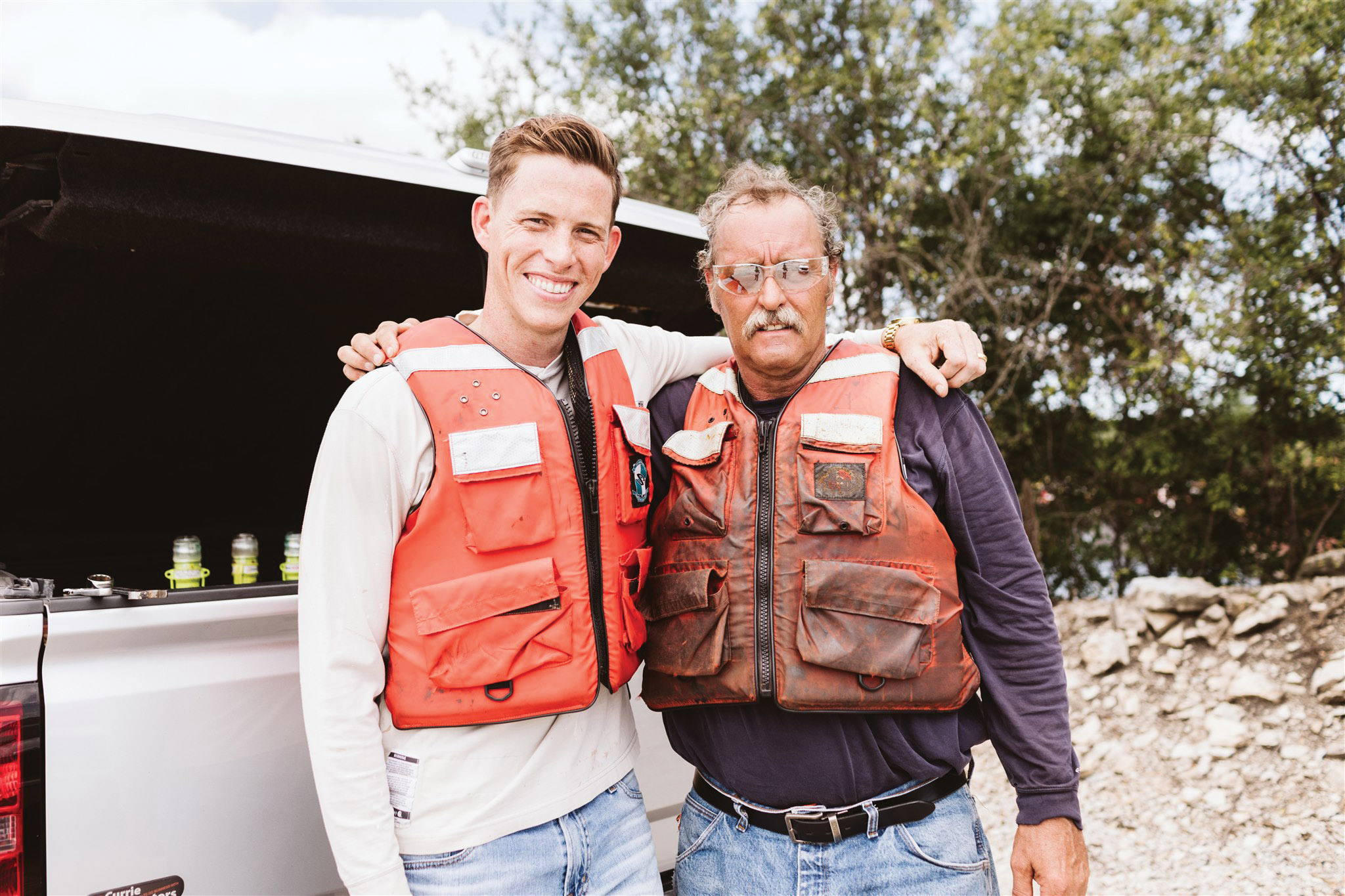
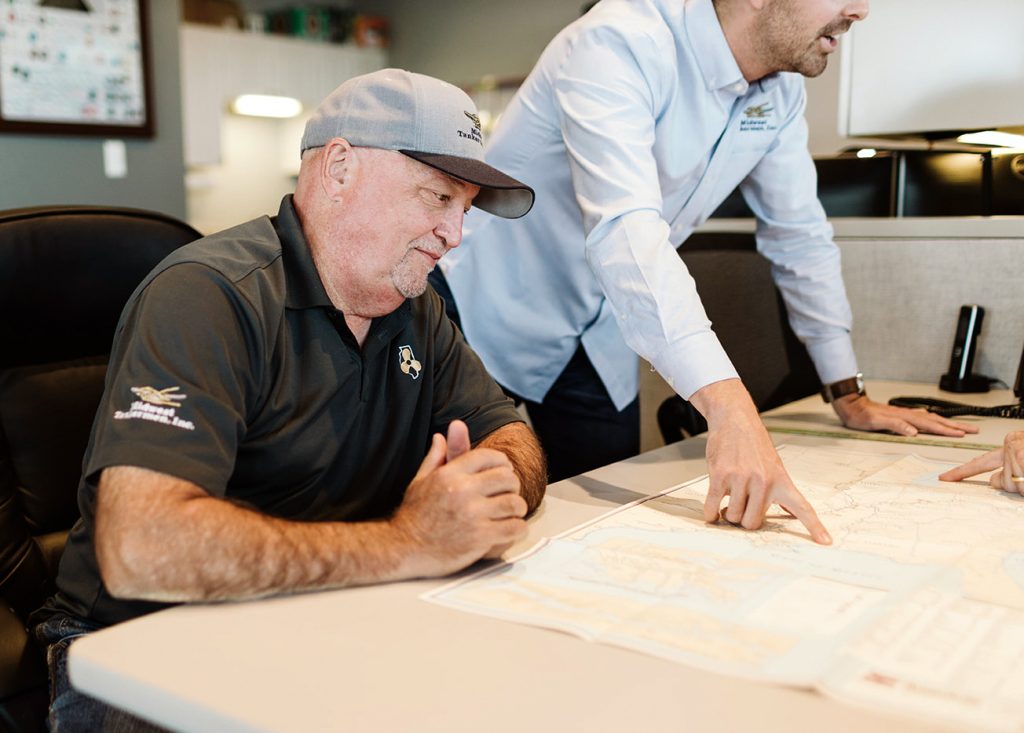
Featured photo caption: :James Loughlin, chief executive officer of Midwest Tankermen, with tankerman Randy Rogers at a shoreside job. (Photos courtesy of Midwest Tankermen)