

Corps Announces New Infrastructure Plan
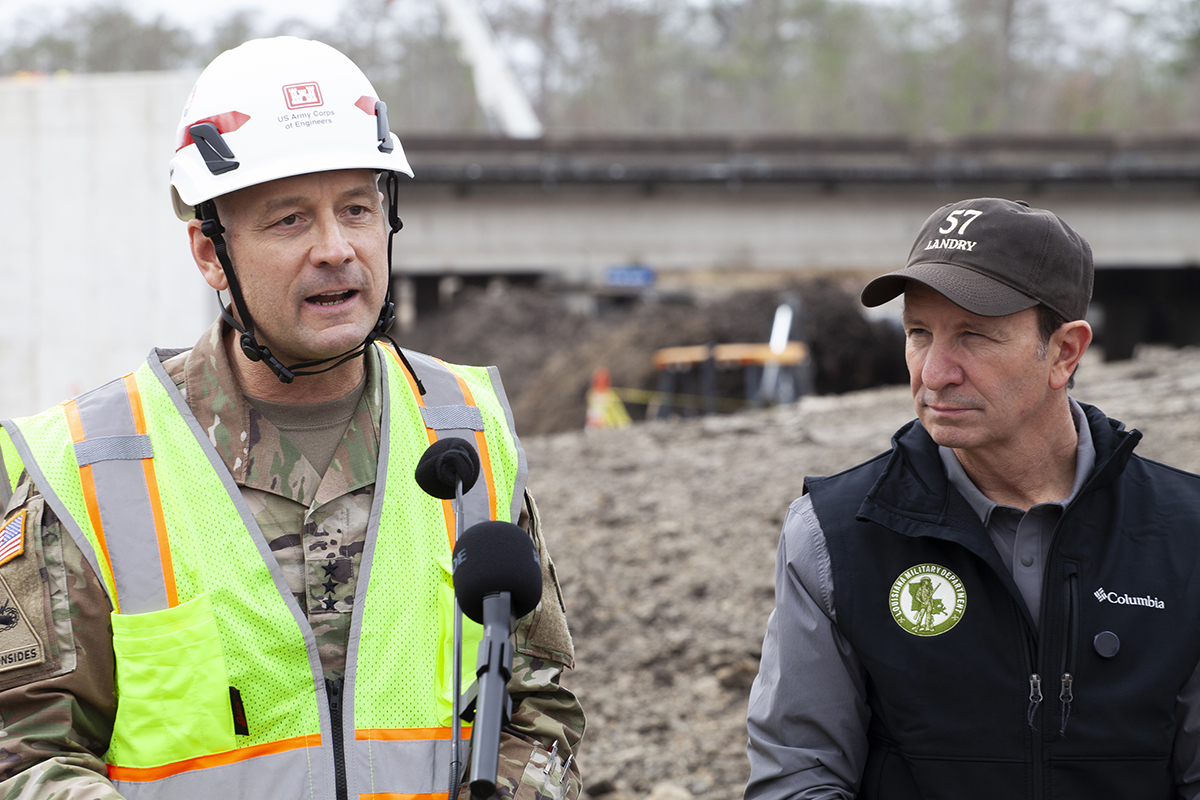
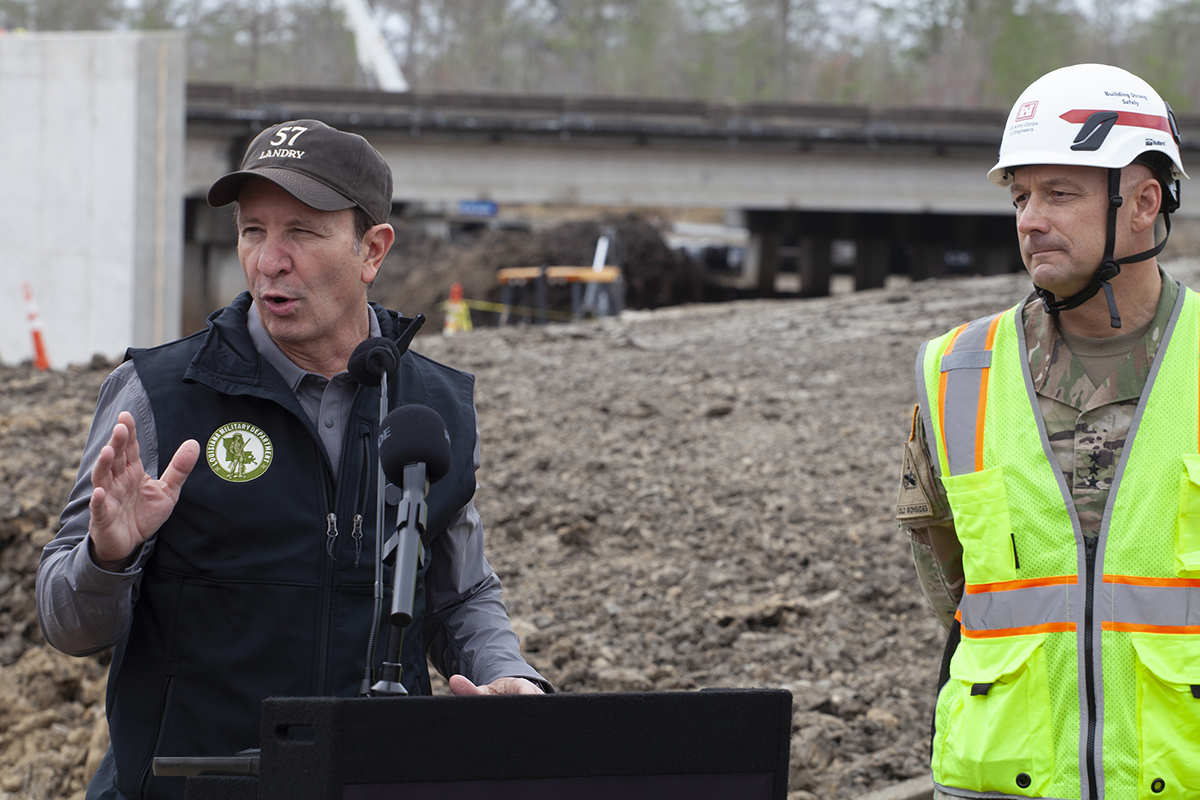
Secretary of the Army Daniel P. Driscoll, assistant secretary of the Army (civil works) Adam Telle, Lt. Gen. William H. “Butch” Graham, the Corps’ chief of engineers and commanding general, and Louisiana Gov. Jeff Landry met alongside an earthen levee just west of New Orleans February 26 to tout the U.S. Army Corps of Engineers’ new “Building Infrastructure, Not Paperwork” initiative.
The Corps announced the new infrastructure plan February 23 through a series of press releases sent from individual districts.
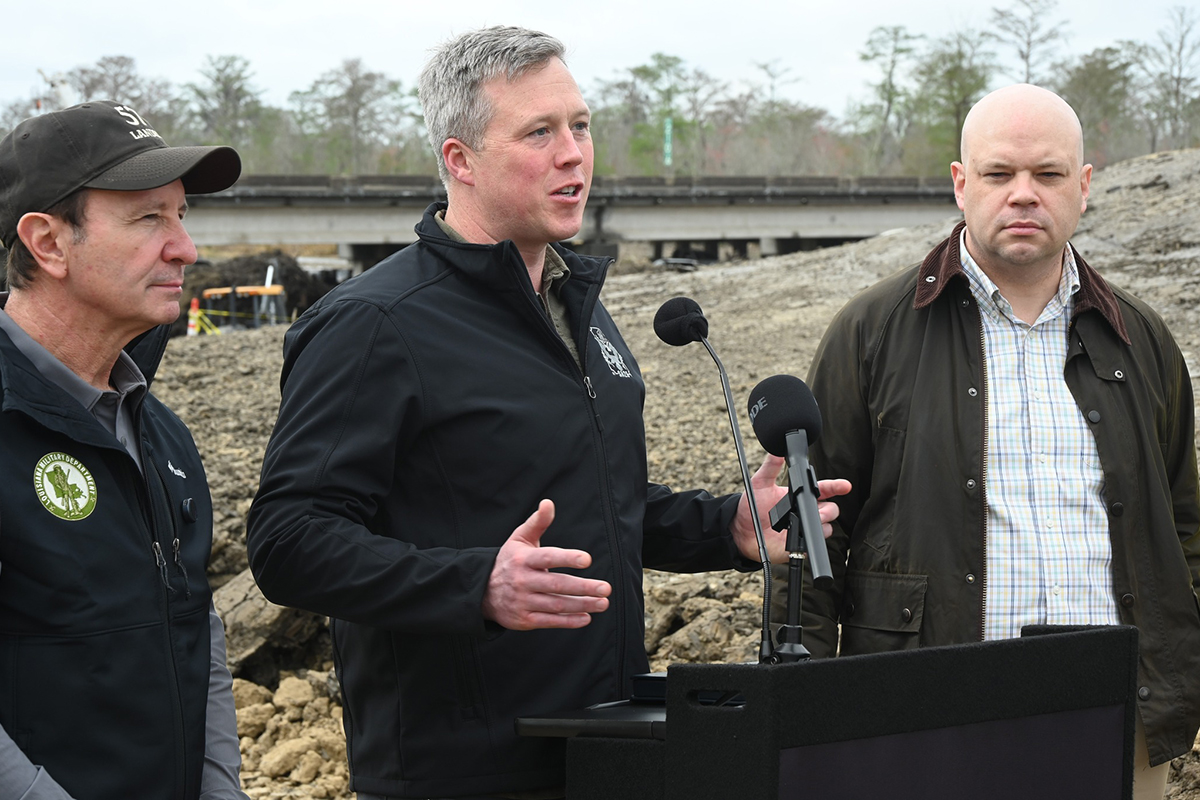
Telle said he was thrilled to be able to tour the area with Driscoll in order to highlight “what we do to help enable navigation for the nation, which is the hidden secret to our economy, as well as protect Americans from floods.”
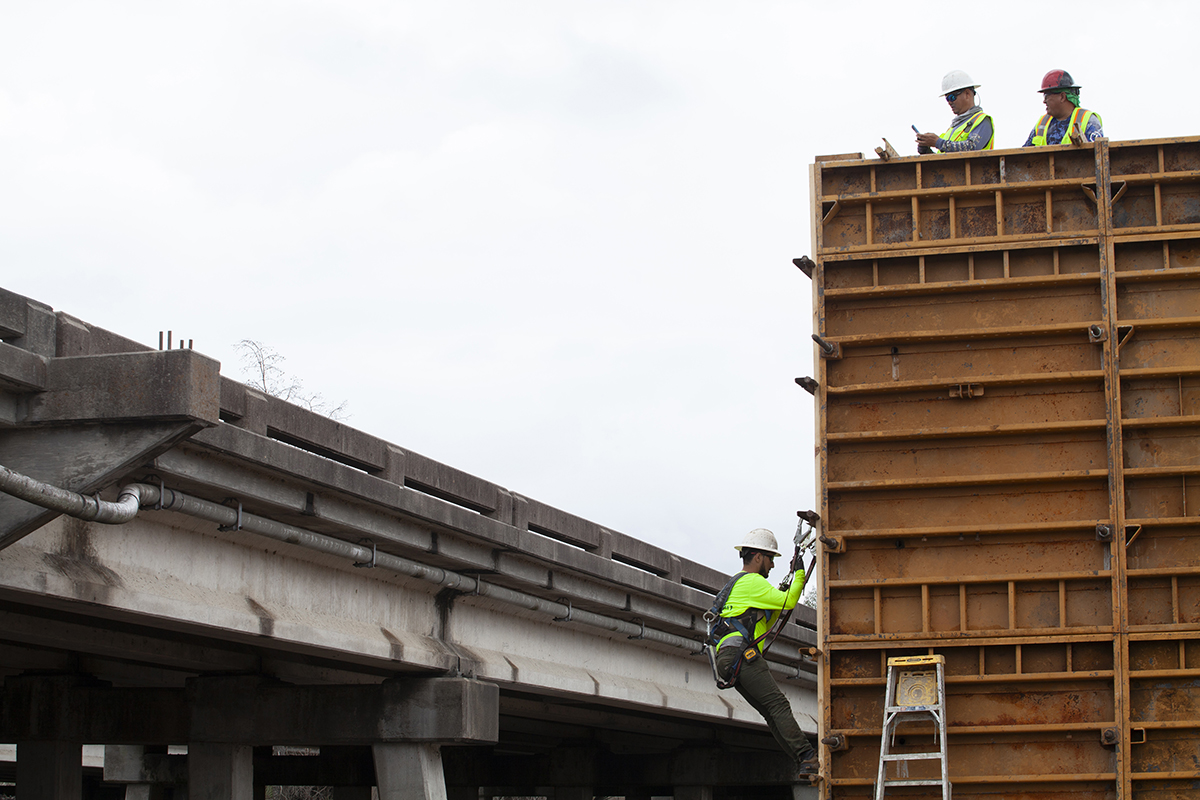
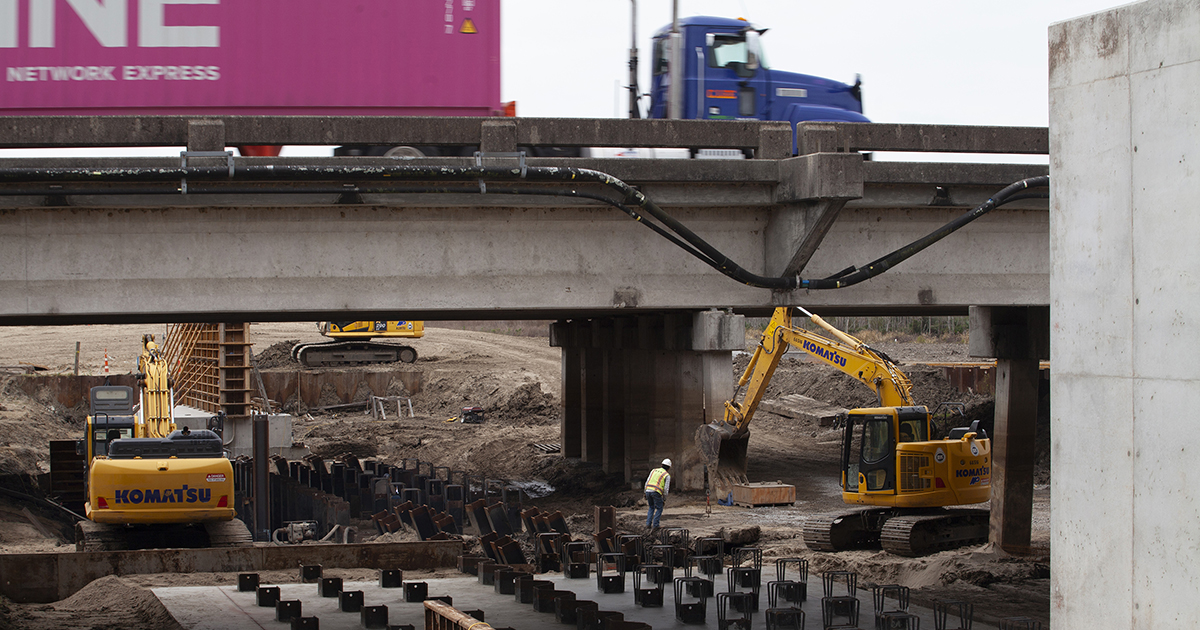
The morning press conference was held near Laplace, La., where Interstate 10 crosses over a portion of the West Shore Lake Pontchartrain project, which will protect portions of the parishes of St. Charles, St. James and St. John the Baptist from storm surge.
“Earlier this week, we announced an initiative called ‘Building Infrastructure, Not Paperwork,’ which we believe will be the greatest transformation of the Army Corps of Engineers’ civil works mission since at least 1986,” Telle said. “Our goal is to cut paperwork and get back to building for the American public.”
The plan consists of 27 initiatives grouped under five categories, according to the Corps. The categories are: maximizing the ability to deliver national infrastructure; cutting red tape; focusing on efficiency; transparency and accountability; and prioritization.
The Corps said the plan will empower district commanders to take “informed risks” in advancing critical water resources projects and programs to completion faster and more cost effectively. Additionally, the release said policy changes will bring greater transparency and accountability for the Corps’ civil works program.
The plan will not affect the Corps’ execution of emergency and disaster response, according to the release.
The site of the press conference was significant, with the West Shore Lake Pontchartrain project long-planned, even before storms like Hurricane Ida in 2021 swamped the Laplace area.
“This project is extremely important,” Landry said. “It’s important to me because I remember in 2011 or 2012 the hurricanes that impacted this area when I represented this area in Congress. This structure right here will protect over 60,000 homes.”
Landry praised Telle, Driscoll and the many men and women who work for the Corps. At the same time, though, he underscored the bureaucracy that has played a part in delaying Corps projects.
When pressed for specifics, Telle emphasized the need to approach dredging contracts as a national issue, not just regionally. Graham, fielding questions, stressed the need for “stable, predictable funding” and for more mature project design before construction begins. Addressing a question about project delays and cost overruns, Graham said his goal is for projects to take “under a decade” to complete.
Summarizing the goal of the plan, Driscoll said, “I believe that, with this ‘Building Infrastructure, Not Paperwork’ initiative, our commanders are going to be unleashed to be problem solvers like never before, and we’re going to move faster, for a lower cost and a better schedule than we ever have.”
Featured image caption: A contractor welds a footer for a floodwall within the West Shore Lake Pontchartrain project west of New Orleans, which will connect two reaches of an earthen levee to protect the parishes of St. Charles, St. James and St. John the Baptist from storm surge. (Photo by Frank McCormack)