

Report Focuses On Inland Mariner Wellness
As companies realize the critical need to recruit, support and sustain inland workforces, the health and wellness of inland mariners has received more sustained and serious attention than ever before. It’s a conversation being furthered by a comprehensive study of Inland Mariner Wellness that the Seamen’s Church Institute commissioned by the Yale School of Medicine. Released in January (WJ, 6-5-26) the report was the subject of an expert panel at the Inland Marine Expo in Nashville.
It’s the very first such report focused exclusively on inland mariners’ wellness, according to Dr. Martin Slade, author of the report and a principal researcher at Yale’s Occupational Health Division.
The report cautions, “The culture of the industry, which can be at odds with the well-being of its workforce, appears relatively unchanged over the past few decades. Given this, effecting change is difficult and requires strong organizational commitment.” However, it concludes, “[T]here is great potential to increase the health and well-being of inland mariners and, in particular, the mental health of this population. Some changes could be made quite quickly and with little expense or disruption to current practices, and yet be expected to substantially increase the quality of life for the mariner.”
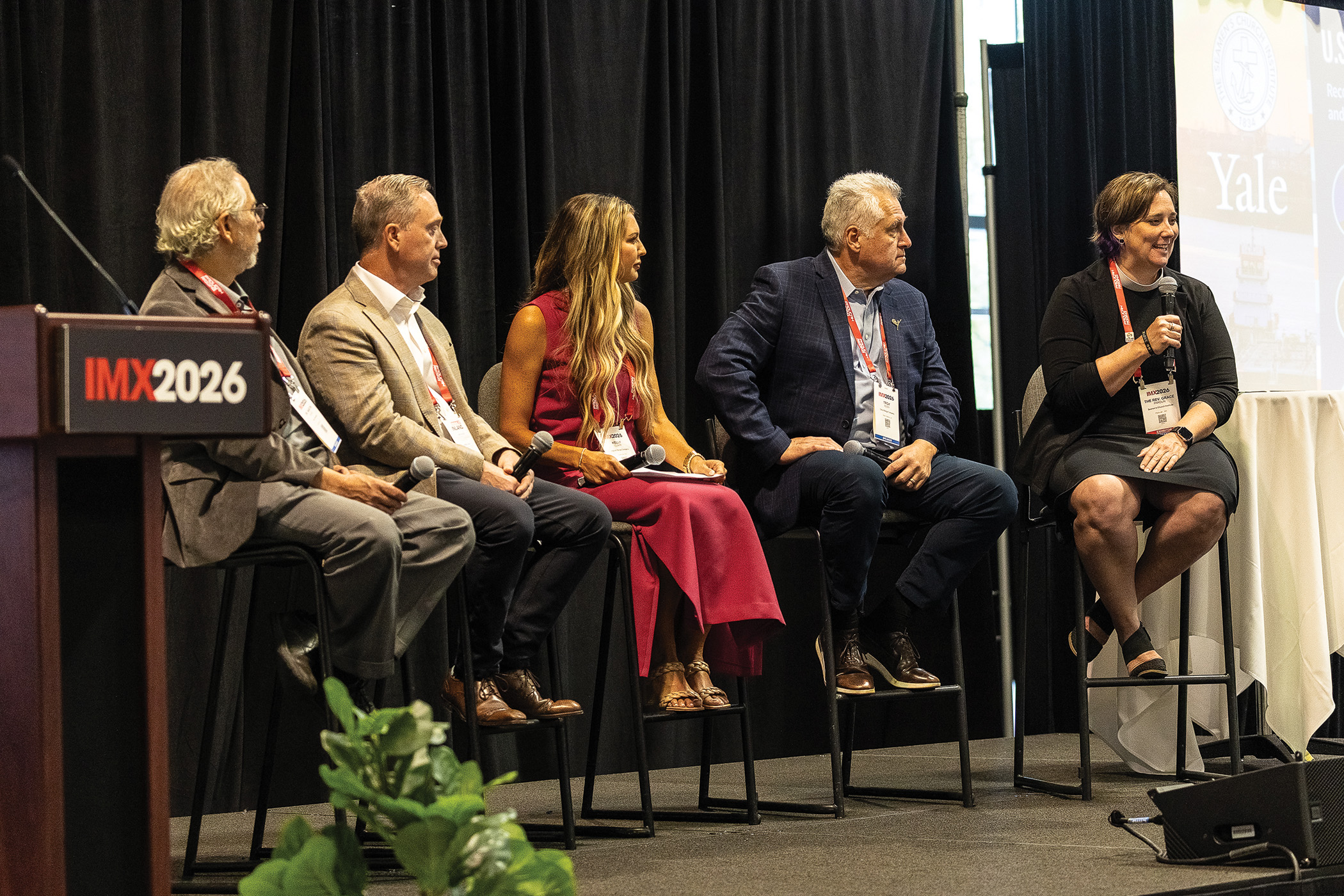
IMX panelists included Rev. Mark Nestlehutt, president and CEO of the SCI; Rev. Grace Pardun, SCI’s supervisory chaplain for the Upper Mississippi and Ohio River Region; Kelly Clapp, director of human resources for Ingram Barge Company; Dr. Kyle Turnbo, president and medical director of Healthworks LLC; and Troy Remy, vice president of human resources at Canal Barge Company. All panelists also belong to the SCI’s Mariner Wellness Steering Committee.
Keeping people hydrated is one of the single most important things for maintaining health, Slade said. Limiting screen time is also important, although panelists admitted that is hard to do. “Culture is a big issue,” said Turnbo. “Mariners must trust their companies, and that trust must be built.”
Companies have been discussing getting rid of sugary soft drinks and unhealthy snack foods aboard vessels, Clapp said. Sleep issues, anti-vibration measures and insulation are also topics of company conversations.
Mental health issues are a big topic of concern, said Remy. He said Employee Assistant Programs (EAPs) are outdated. Pardun said she has responded to five “critical issues” in the past five days through the hotline she helps staff, with May being “one of our busiest months.”
Clapp said best practices aboard any vessel will always begin with the captain. Remy said a high turnover on any vessel reflects on leadership and culture.
“Is there a perception that wellness initiatives are expensive?” one questioner asked. “Yes, but so are employee downtime, high turnover and recruitment issues,” Slade responded.
Turnbo added that half of all mariners have metabolic syndrome, a cluster of precursor symptoms to several chronic diseases. It’s been shown that an increase in body mass index (BMI) is positively correlated with increased incidences of work-related injuries.
Onboarding questionnaires that ask mariners about their recent health issues and injuries or conditions they may have acquired between vessels can be an important tool for alerting employers. Following Coast Guard guidelines may not be enough. The Coast Guard only requires a physical every five years, but Clapp believes companies should require them every two and a half years.
Read the full SCI/Yale report at: https://seamenschurch.org/wp-content/uploads/2026/02/Yale-Report-Layout-Version-E-low.pdf.
Featured photo caption: Panelists discuss the importance of health and wellness among mariners during the session “U.S. Inland Mariner Wellness Assessment – From Recommendations To Results: Examining What Has and Has Not Worked with Mariner Wellness” at the 2026 Inland Marine Expo. Pictured, from left, are Dr. Martin Slade, principal researcher at Yale’s Occupational Health Division; Dr. Kyle Turnbo, president and medical director of Healthworks LLC; Kelly Clapp, director of human resources for Ingram Barge Company; Troy Remy, vice president of human resources at Canal Barge Company; and Rev. Grace Pardun, supervisory chaplain at SCI for the Upper Mississippi and Ohio River Region. (Photo courtesy of ECN Photography)