
WJ Talk: Hill Discusses A Connected Approach To Marine Operations
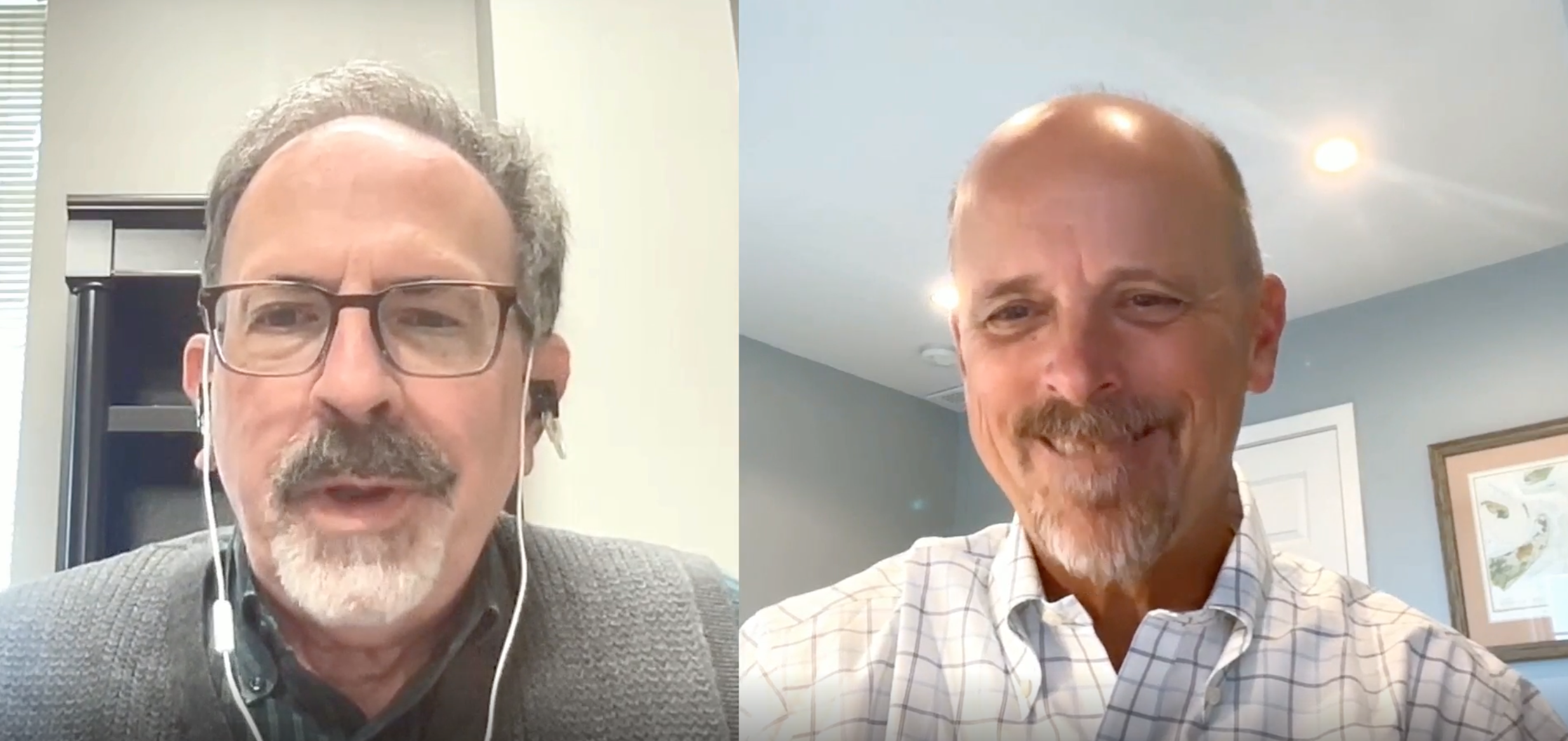
Dave Hill, founder and chief executive officer of Mobile Ops, joined David Murray, senior editor of The Waterways Journal, for a WJ Talk conversation about the origins of Mobile Ops, electronic credentialing records, vessel management software and the opportunities and limitations of artificial intelligence for maritime operators.
Editor’s Note: The following interview has been edited for length and clarity.
WJ: What led you to launch Mobile Ops?
Hill: In 2016, I founded Mobile Ops with two other people after nearly a decade at Foss Maritime. Safety management systems had become hundreds of pages long, and gathering records for inspections and audits was burdensome. We saw an opportunity to digitize maintenance and safety-compliance records and make information easier for mariners and operators to enter and retrieve.
WJ: How important are mobile devices to how customers use the system?
Hill: They are central to the system. Today, roughly 80 percent to 85 percent of the data captured in Mobile Ops comes through mobile devices, including phones and tablets. Computers still have a role, but a great deal of the information collected at the point of work starts on a mobile device.
WJ: What does the integration with MMC Sea offer mariners?
Hill: Sea-service time and sea-service letters have traditionally required a lot of manual recordkeeping. By connecting our time-management and payroll information with MMC Sea’s credentialing service, we can help generate electronic sea-service letters for mariners seeking their next credentials. Mariners can also see their accumulated time and credential information.
WJ: Does that make the credentialing process easier for the Coast Guard and National Maritime Center?
Hill: It helps one part of the credentialing process: gathering and presenting accurate sea-service records. It helps mariners and the companies managing their records. There are still larger issues affecting credentialing volume and backlogs, so it is one improvement rather than a complete answer.
WJ: How does Mobile Ops help crews keep up with requirements?
Hill: The system gives mariners and operators visibility into credentials, expiring training, vessel documents and inspections. It sends reminders and push notifications, so requirements are not trapped in one person’s notebook or on a private to-do list. Operators can look across their crews and prepare for renewals.
WJ: Is Mobile Ops more than a crewing or compliance application?
Hill: Yes. I describe it as a unified enterprise resource planning system for vessel operations. It connects quoting, customer relationships, contracts, dispatch, orders and invoicing with crew planning, timekeeping, payroll integrations, maintenance, inspections, training and compliance. Connected devices can also provide operating readings such as temperatures, pressures and RPMs.
WJ: What is the benefit of bringing those functions together?
Hill: You can evaluate a problem from several angles instead of drawing conclusions from one isolated data set. Vessel utilization, for example, is not the same as vessel availability. If you factor in maintenance, drydockings and crew limitations, the time a vessel can actually work may be much lower than a utilization percentage suggests.
WJ: How do you approach cybersecurity and AI?
Hill: Cybersecurity requires incident plans, patching, redundancy, failover arrangements and serious questions for software vendors. We use AI to help with workflows, coding, data guidance and querying information. The AI agent within Mobile Ops works with information in the customer’s own controlled environment, although customers can also export their data through APIs if they choose.
WJ: Why does data quality matter so much to AI?
Hill: An AI tool is only as useful as the data it analyzes. If a mariner misses required fields or separate systems are connected poorly, the answer can be incomplete or wrong. We are using AI for data guidance and validation, and we encourage companies to think carefully about where information comes from, how it is protected and how results are checked.
WJ: What does that look like in day-to-day commercial work?
Hill: Consider a request to move 50,000 tons of asphalt. With connected records, an operator can query vessel locations and availability, future drydockings, maintenance history and other constraints. A properly configured system could help prepare a quote in about 30 seconds. The point is faster analysis using several types of operational information together.
WJ: How can operators measure return on investment?
Hill: Cost per ton, trip or mile matters, but it is not the whole picture. Reliability, on-time performance, mechanical delays, waiting at terminals and other operational measures matter too. Better records also support more useful conversations with customers about improving the supply chain and managing costs.
WJ: What role does technology play in attracting younger maritime workers?
Hill: Younger workers are comfortable with mobile technology. Asking them to do everything on paper can make an industry seem out of date. Digital tools can make maritime careers more appealing, though recruiting and retaining enough people remains a challenge as experienced workers retire.
WJ: Will AI replace maritime jobs?
Hill: I see it primarily as a force multiplier for the maritime industry. Safety and regulatory work, including Subchapter M requirements in towing, will continue to demand attention. AI can help people work more intelligently, reduce repetitive steps and make better decisions, but only if companies keep the underlying data secure and accurate.