
St. Paul Engineer District Uses Winter Closure For Major Lock And Dam Maintenance
The St. Paul Engineer District is preparing for a busy winter maintenance season, with several major lock and dam projects scheduled during the annual navigation closure on the Upper Mississippi River.
While heavy river ice brings commercial towboat traffic to a halt, the winter closure provides the district with an opportunity to complete significant infrastructure improvements, conduct routine maintenance and prepare its navigation system for the following season.
Kristin Moe, operations project manager for the Mississippi River Project Office in the St. Paul District, oversees the district’s navigation program, including 13 locks and dams, more than 240 miles of navigable channel and the dredging and floating plant assets used to maintain the channel and navigation markers.
Moe said this year’s winter maintenance schedule includes several major projects intended to modernize aging infrastructure, improve operational reliability and enhance safety for commercial navigation users.
One of the largest efforts involves replacing the traveling kevel systems at Locks 2 and 3, located in Hastings and near Red Wing, Minn., respectively. The work is being completed under a $12.8 million contract with Kramer North America.
The traveling kevel systems, originally installed in 1950 and 1960, are mechanical units used to pull the first unpowered cut of a barge out of the lock chamber during double lockages.
Replacing the aging systems is expected to improve lock operations and reduce delays for commercial vessels.
“Replacing these 75-year-old systems directly improves cycle times and lock turnaround during double lockages, reduces towboat emissions from idling and, most importantly, improves safety for deckhands and lock crews handling lines on the wall,” Moe said.
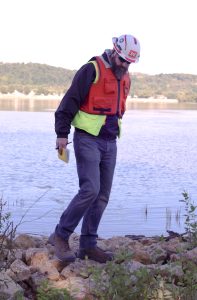
The district’s in-house maintenance and repair team also will upgrade miter gate anchorage plates at Locks 5 and 6, located near Minnesota City, Minn., and Trempealeau, Wis.
The work involves removing large sections of concrete from the lock walls and replacing the steel anchorage plates that secure the lock gates to the concrete structures.
The need for these upgrades is because of new miter gates that will be installed in both places. The new miter gates weigh more than the original gates that were installed in the 1930s.
Locks 2 and 3 are scheduled to close for construction December 1 and reopen by March 1. Locks 5 and 6 are scheduled to close December 7 and reopen by March 8.
Coordinating Winter Work
Planning and coordinating the district’s winter maintenance schedule requires communication with commercial navigation stakeholders well before the navigation season ends.
The district works with the towing industry, organizations such as the River Industry Action Committee, terminal managers and the U.S. Coast Guard to coordinate planned closures and minimize disruptions to commercial traffic.
Formal navigation notices are typically published in early fall to give carriers and other river users time to plan around upcoming work.
“We work really closely with our users to make sure that we’re coordinating and communicating upcoming work,” Moe said.
Communication occurs through the closure period with the district issuing communications about the progress of the construction and the expected milestones for reopening.
Also, with the onset of late winter, the district starts monitoring ice conditions across the system, focusing heavily on lake Pepin – the river’s widest natural expanse and primary ice bottle neck. District teams conduct regular ice thickness surveys to help commercial mariners, dispatchers and the Coast Guard determine when conditions will allow the first northbound tows to safely reach St. Pual.
Channel Maintenance And Planning
While winter provides an important window for major lock and dam maintenance, it also serves as a planning period for the district’s navigation channel management program.
Once ice forms on the river, active dredging and channel surveying are not possible. Instead, district staff use the winter months to compile and analyze survey data collected during the open-water season and prepare for the following year’s maintenance needs.
That work includes completing environmental reviews, coordinating real estate actions for dredged material placement sites and planning the management of temporary dredged material placement locations.
Moe said the district must be prepared to respond quickly once ice leaves the river and spring conditions allow navigation maintenance activities to resume.
One of the district’s ongoing challenges is securing adequate long-term placement capacity for dredged material.
Unlike some other areas of the river where material can be placed along the channel, dredged material in the St. Paul District is physically transported out of the river.
The district works with local partners and the public to channel the sand into beneficial uses such as backwater island habitat construction, cattle bedding, commercial construction aggregate and municipal road traction sand during winter storms.
“Channel maintenance doesn’t stop in the winter,” Moe said. “We must be as proactive as we can to ensure our assets are ready to respond immediately the moment the ice breaks in the spring.”
The district uses the winter months to evaluate placement site capacity and complete the planning needed to ensure dredging operations can begin efficiently when conditions allow.
Preparing For Spring Navigation
Moe said the winter closure provides the district with a valuable opportunity to complete major maintenance work, but the timing of the season is ultimately determined by natural conditions.
The district benefits from the annual period when navigation activity slows, and locks can be taken out of service for extended maintenance. However, the same winter conditions also limit work on the navigation channel.
“One of the things I want to emphasize is that is driven by Mother Nature,” Moe said. “In some ways, we’re fortunate to have that window to keep up our maintenance.”
As the district looks toward the 2027 navigation season, its priorities include ensuring lock chambers are operating reliably, navigation equipment is ready, and dredging assets are prepared to return to work.
The goal is to have the district’s navigation infrastructure ready when the first commercial vessels return to the Upper Mississippi River.
“Making sure that we’re able to cycle the locks, testing newly installed systems, and conducting routine inspections and maintenance will allow us to keep 10 million tons of Midwest agriculture and commodities moving safely and reliably all season long,” Moe said.