
Q&A: Caterpillar’s Will Watson discusses hybrid propulsion for marine vessels
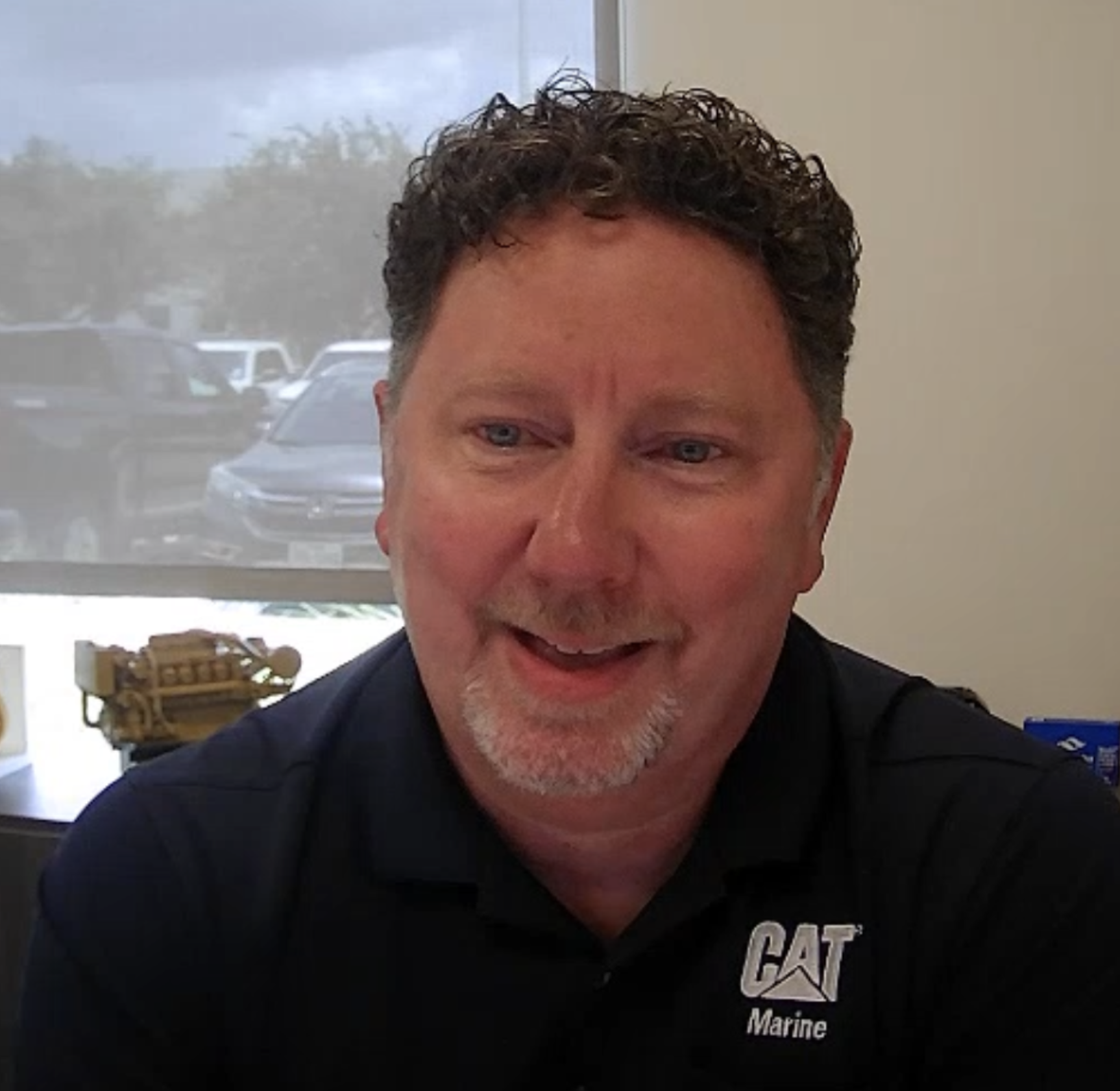
Hybrid propulsion is steadily gaining acceptance across parts of the marine industry, but successful adoption depends less on the technology itself than on matching it to the way a vessel actually operates, according to Will Watson, marine product director for Caterpillar.
During a recent Waterways Journal Talks interview, Watson discussed where hybrid systems are finding success, why tugboats have become early adopters and how inland operators may approach the technology in the years ahead.
Q: Where do you see hybrid propulsion adoption today?
A: Hybrid adoption has been developing methodically over the past decade. There has been significant research and early installations across the marine industry, although adoption varies depending on vessel type and operator goals.
Companies are looking at hybrids for different reasons, including reducing total cost of ownership, improving operations and meeting emissions objectives.
Q: Which vessel types are leading adoption?
A: Harbor tugs have seen the greatest adoption.
They experience highly variable operating cycles with periods of high power demand followed by idle time. Those operating characteristics make hybrid systems a good fit.
Q: Have hybrids proven themselves operationally?
A: Yes. Conventional propulsion remains the benchmark, so operators are not willing to sacrifice performance.
Hybrid systems have matured to the point where they can meet demanding operational requirements while providing additional flexibility.
Q: Does Caterpillar offer multiple hybrid systems?
A: Caterpillar currently focuses on hybrid systems paired with its C32 and 3500 Series engines for medium-sized tug applications, typically around the 5,000-horsepower range producing roughly 70- to 80-ton bollard pull.
Q: Is a hybrid system appropriate for every vessel?
A: No.
A hybrid system only delivers value when it’s designed around the vessel’s actual operating profile. Simply installing hybrid technology does not guarantee lower operating costs or emissions benefits.
Understanding how a vessel works every day is essential before selecting a propulsion solution.
Q: Does installing a hybrid automatically reduce emissions?
A: Not necessarily.
Depending on how the vessel operates, a hybrid system may provide little or no emissions benefit. Operators first need to determine whether their priorities are fuel savings, emissions reductions, maintenance savings or another operational goal.
Q: What other advantages can hybrid propulsion provide?
A: One significant benefit is reduced engine wear.
Hybrid systems can allow diesel engines to operate closer to their optimal load range rather than spending extended periods at low loads. That can extend engine life while also improving fuel efficiency.
Q: Are lifecycle benefits well understood yet?
A: The industry is still collecting data.
Every installation is different, making it difficult to establish broad lifecycle expectations. As additional vessels enter service, operators and manufacturers will gain better performance information.
Q: How important is collaboration between operators and manufacturers?
A: It’s essential.
Manufacturers and operators share operational data and work together to optimize system performance and better understand long-term operating results.
Q: How does shoreside infrastructure affect hybrid adoption?
A: Infrastructure is one of the biggest factors.
Some hybrid systems require charging capability, and ports need sufficient electrical infrastructure to support those operations. Some regions have invested heavily in those capabilities, while others are still developing them.
Q: Are grant programs helping?
A: Yes.
Federal and state grant programs, along with other incentives, are helping ports and vessel operators invest in infrastructure and propulsion improvements.
Q: How do hybrid systems fit into the future of inland towing?
A: Inland towboats generally have long service lives and different financial models than harbor tugs.
Hybrid adoption will likely occur more gradually on the inland waterways as technology matures, costs decline and operators identify applications that produce acceptable returns on investment.
Q: Is hybrid propulsion the future of marine power?
A: Hybrid is one tool among many.
Conventional diesel engines continue to improve, and operators have multiple technology paths available, ranging from incremental efficiency improvements to hybrid systems and, eventually, full electric propulsion.